Asian Development Bank (ADB)
Project Preparation Study on Strengthening Capacity for Livable and Resilient Cities
Project Overview
Dhaka North City Corporation (DNCC) faces severe challenges from rapid urbanization, climate change, and inadequate stormwater management, resulting in frequent waterlogging and urban flooding. The Asian Development Bank (ADB) initiated the Strengthening Capacity for Livable and Resilient Cities project to support DNCC in developing strategic interventions for drainage, sanitation, and solid waste management.
Streams Tech Ltd. was responsible for designing strategic interventions for stormwater infrastructure in Zones 2, 3, 6, and 10 of DNCC. The project aimed to enhance climate resilience, improve environmental conditions, and elevate urban livability through integrated planning and infrastructure development.
Study Components
Data Collection and Analysis
- Collected and analyzed hydrologic and hydraulic data from DNCC and public sources.
- Simulated hydraulic models to identify waterlogging hotspots.
Review of Existing Frameworks
- Reviewed prior studies, projects, and regulatory frameworks.
- Analyzed key documents such as the Bangladesh Climate Change Strategy and Dhaka Drainage Master Plan to inform interventions.
Stakeholder Engagement
- Conducted Key Informant Interviews (KIIs) with DNCC officials and stakeholders.
- Organized workshops on waterlogging issues to refine strategies.
Stormwater Drainage Modeling
- Developed catchment-wide geospatial stormwater models to understand drainage behavior across Zones 2, 3, 6, and 10.
- Simulated hydraulic models to identify flood-prone areas, drainage congestion points, and climate change vulnerabilities.
- Conducted scenario planning to evaluate mitigation measures for flood inundation, waterlogging, and drainage congestion.
- Optimized drainage networks by testing alternative configurations and interventions to improve conveyance capacity and resilience.
- Integrated modeling outputs into strategic recommendations, ensuring data-driven planning for DNCC’s stormwater infrastructure.
Sectoral Assessment and Strategy Formulation
- Established baseline conditions for drainage networks, waterbodies, and water quality.
- Developed strategic recommendations combining structural and non-structural measures.
Proposed Strategic Interventions
1. Structural Interventions
- Connect and Maintain Major Channels – Dredging, cleaning, and restoring canals (e.g., Baunia Khal, Rupnagar Khal, Mohakhali Khal, Abdullahpur Khal, Sutibhola Khal) to improve conveyance and reduce flooding.
- Preserve and Restore Lakes and Waterbodies – Transforming Mirpur Lake, Satarkul Lake, and Pallabi Lake into multifunctional areas for flood management, recreation, and ecological restoration.
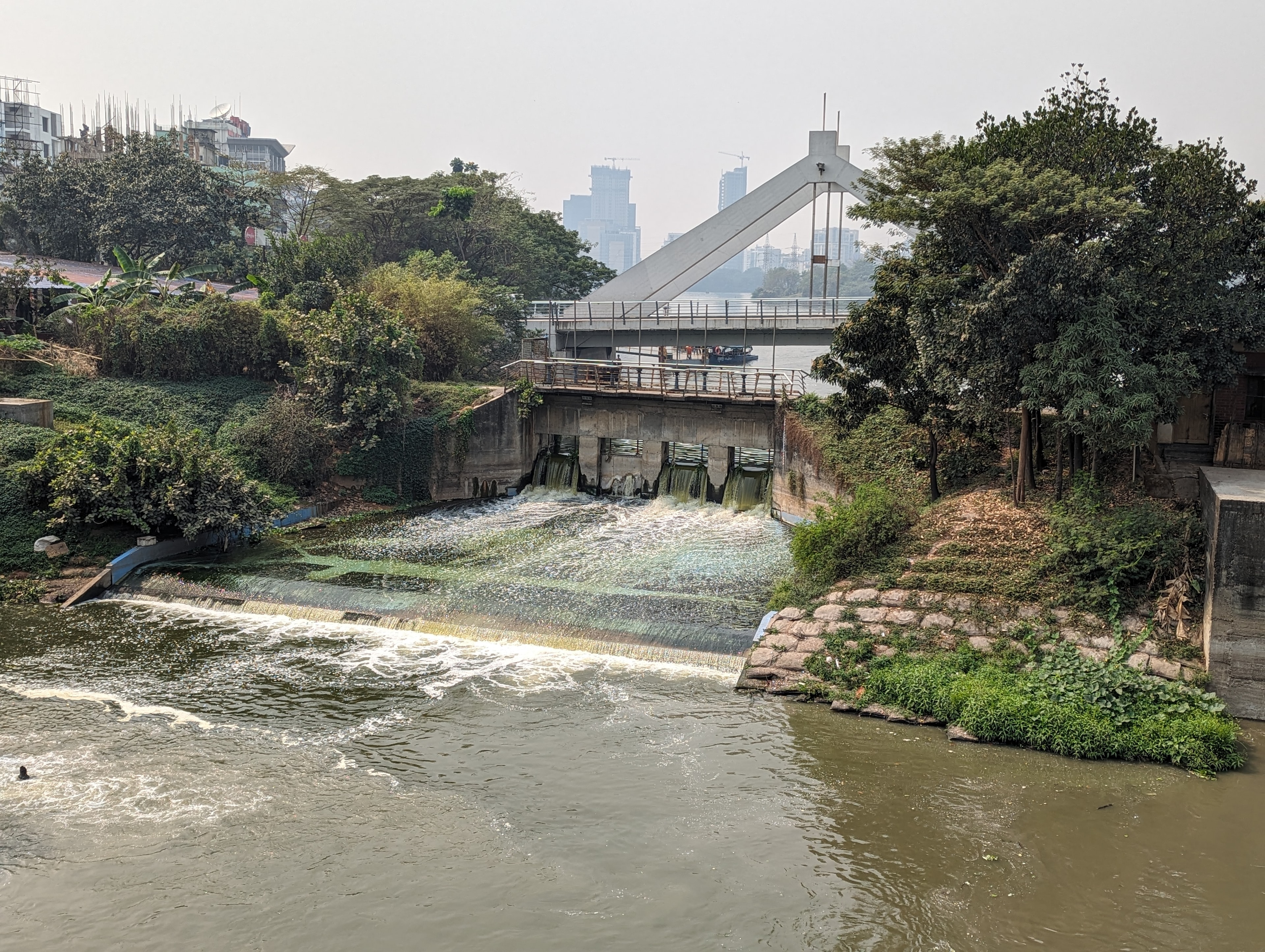
- Reduce Waterlogging and Improve Water Quality – Installing sluice gates, bioretention ponds, and retention basins to capture runoff and naturally treat polluted water.
2. Non-Structural Interventions
- Institutional Strengthening – Enhancing DNCC’s planning, operation, and maintenance capacity.
- Policy Enforcement – Protecting drainage infrastructure through stricter land-use and zoning regulations.
- Community Engagement – Awareness campaigns on waste disposal and drainage maintenance.
- Capacity Building – Training DNCC staff in GIS, hydraulic modeling, and modern stormwater management techniques.
- Institutional Strengthening – Enhancing DNCC’s planning, operation, and maintenance capacity.
- Policy Enforcement – Protecting drainage infrastructure through stricter land-use and zoning regulations.
- Community Engagement – Awareness campaigns on waste disposal and drainage maintenance.
- Capacity Building – Training DNCC staff in GIS, hydraulic modeling, and modern stormwater management techniques.
Zone-Specific Recommendations
- Zone 2: Restoration of existing three major canals; protection of lakes; waterborne transport connectivity.
- Zone 3: Restoration of the main canal; bioretention ponds.
- Zone 6: Restoration of the main canal; transformation of Mirpur Lake into a recreational and ecological hub; retention ponds.
- Zone 10: Restoration of the major canals; integrated development and restoration of Satarkul Lake; installation of sluice gates
Deliverables
- Comprehensive stormwater drainage assessment for Zones 2, 3, 6, and 10.
- Hydraulic models identifying flood-prone areas.
- Strategic intervention plan with structural and non-structural measures.
- Investment plan for DNCC.
- Stakeholder consultation reports and workshop proceedings.
Related Projects
Master Plan for Sustainable Stormwater Drainage Systems in Freetown
Streams Tech, with FMC and Associates, developed Freetown, Sierra Leone’s Stormwater Drainage Master Plan using GIS and modeling to reduce floods and improve infrastructure.
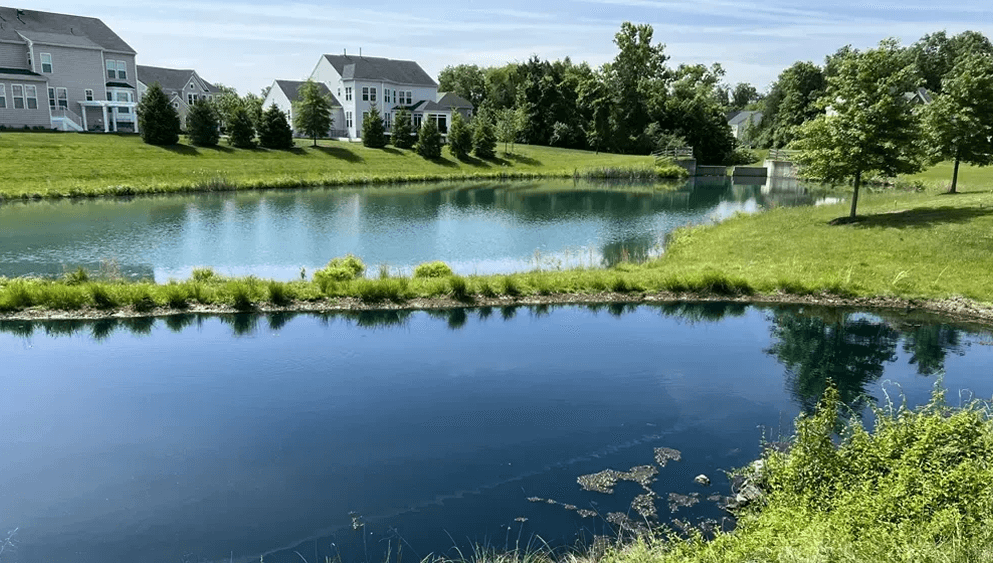
Four Mile Run Watershed Program – SWMM Modeling for Sustainable Stormwater Management
The Four Mile Run program uses an advanced SWMM-based digital twin to manage flooding, assess development impacts, and guide sustainable urban planning in one of Virginia’s most urbanized watersheds
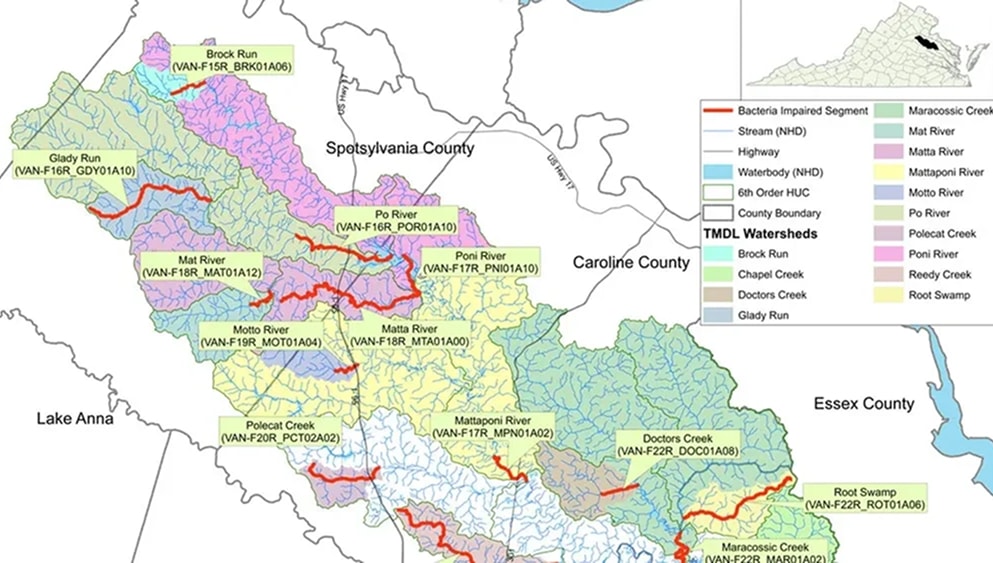
Bacteria TMDL Development for Mattaponi River Watershed
Streams Tech developed TMDLs for 14 impaired Mattaponi River streams, using GIS, HSPF modeling, and data analysis to quantify bacteria loads, propose reduction scenarios, and ensure compliance with water quality standards.
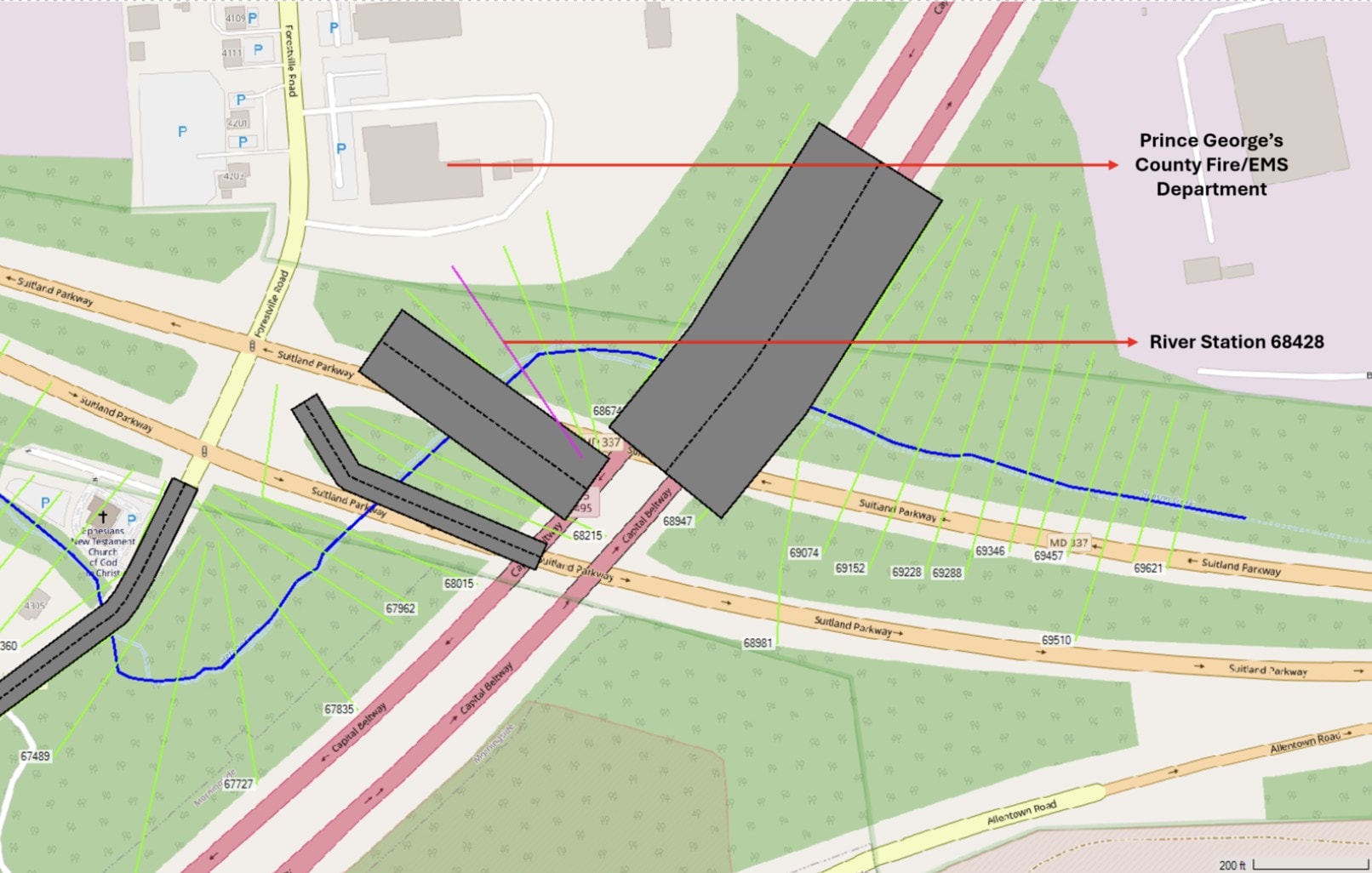
Henson Creek Hydraulic Model – Climate Resilient Flood Risk Management
The Henson Creek Hydraulic Model, developed by Streams Tech, extended the existing HEC-RAS framework upstream and across tributaries to simulate flood behavior, integrating climate resilience and nature-based solutions for sustainable water management and infrastructure planning.
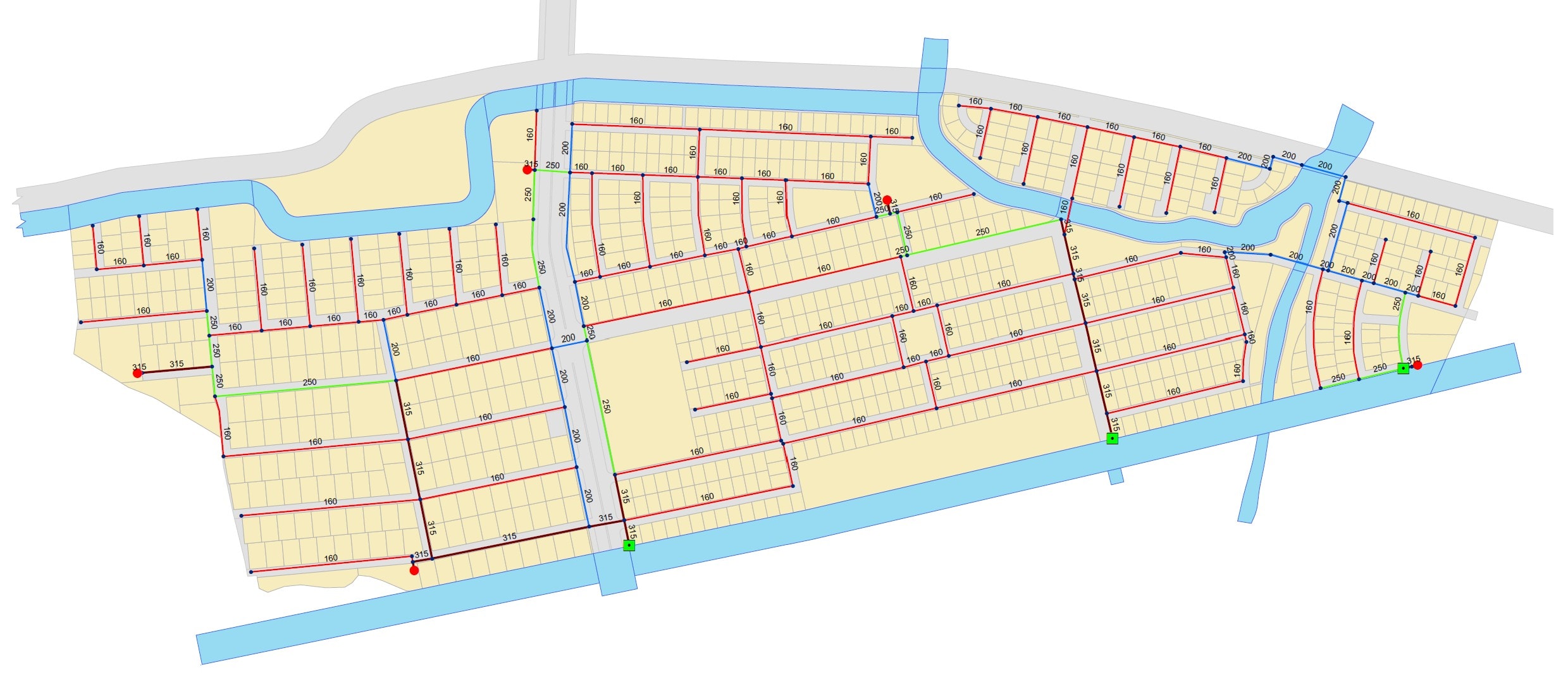
Design of Water Distribution and Storm Drainage Systems for a Private Community
Streams Tech Ltd. designed a comprehensive water distribution and storm drainage system for a urban residential community in Dhaka. The project provided reliable water supply and climate-resilient drainage for approximately 100,000 residents, including 11.8 km of watermains, 5 tube wells, 134 valves, 61 hydrants, and 10.8 km of storm sewers supported by advanced hydraulic and stormwater modeling.
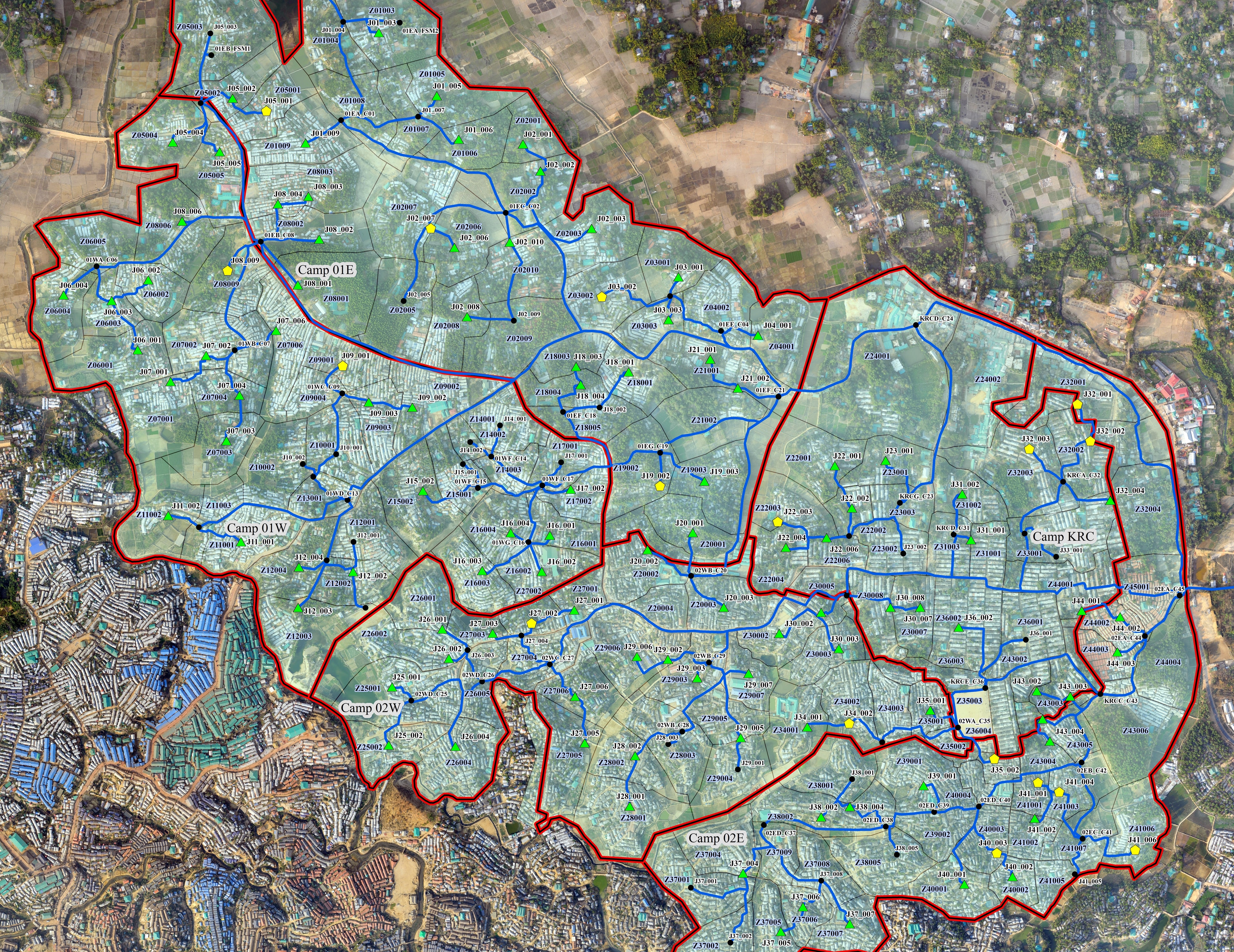
Engineering Design for Sanitation Infrastructure for the Rohingya Refugee Camps
Streams Tech designed three intermediate fecal sludge transfer networks (IFSTN) for Rohingya refugee camps in Cox’s Bazar. The project strengthened sanitation services by creating durable, cost-effective infrastructure for fecal sludge collection, transfer, and treatment, ensuring service sustainability for at least ten years after installation
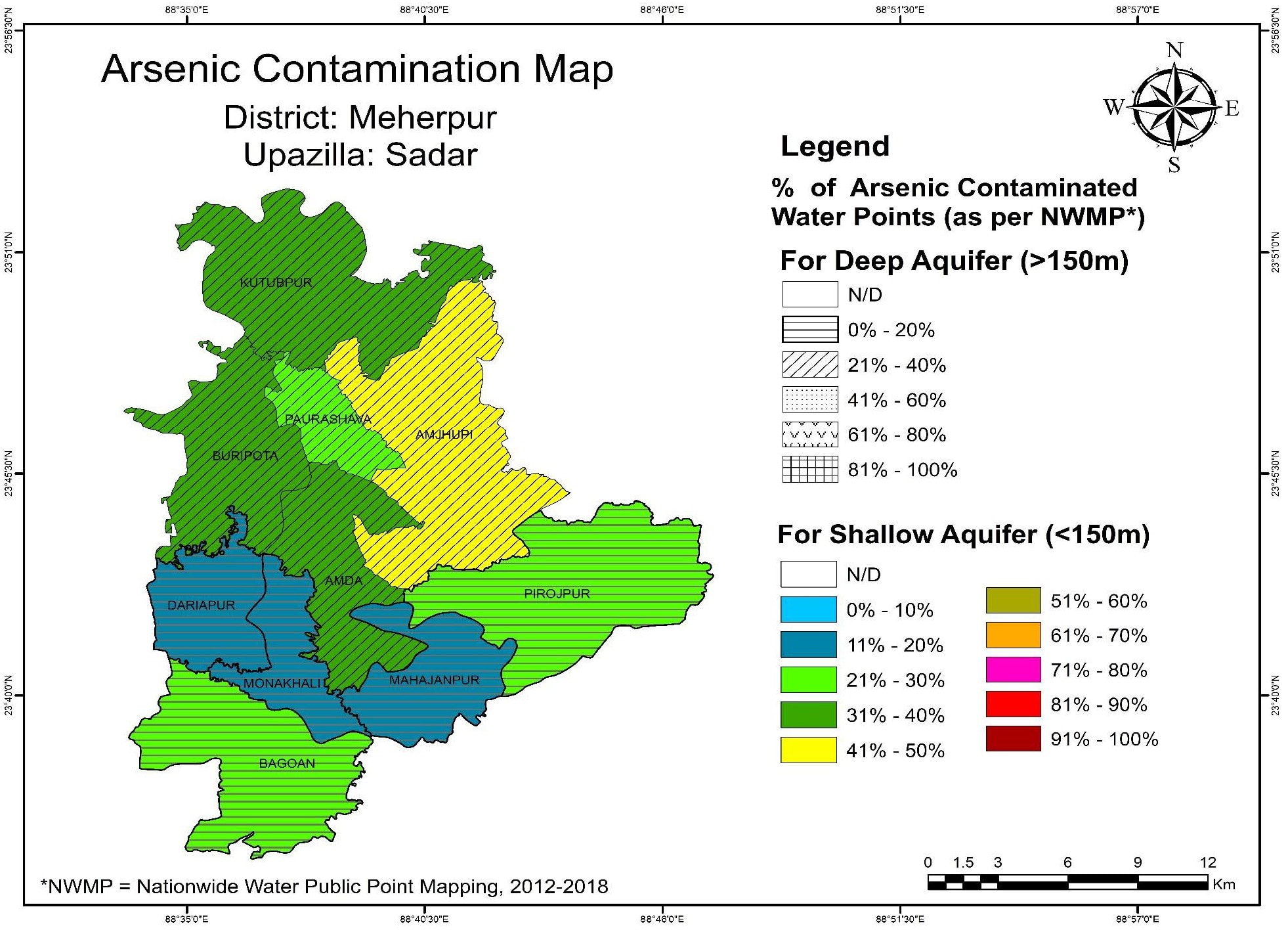
Public Water Supply Technology Mapping for 44 Districts
Streams Tech Ltd. prepared geospatial water technology maps for 44 districts under the Village Water Supply Project, addressing diverse hydrogeological conditions and contamination risks. The project created an inventory of water points, mapped contamination levels, and identified suitable technologies for rural water supply planning.
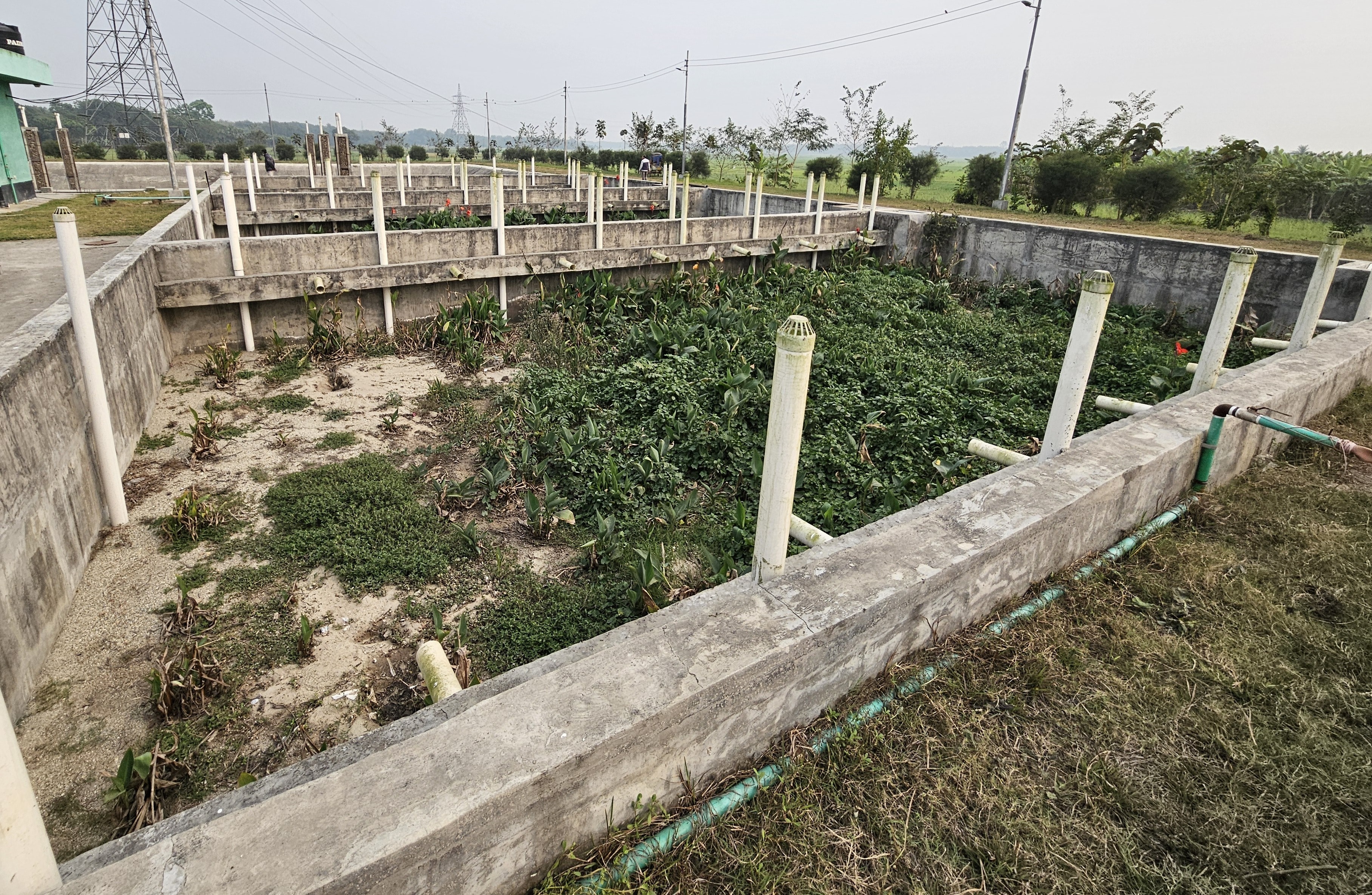
Planning Sustainable FSM & GWM Systems for Urban Municipalities with the CWIS Approach
Streams Tech conducted a pre-feasibility study in seven towns, mapping maturity for fecal sludge management (FSM) and greywater management (GWM), and City-Wide Inclusive Sanitation (CWIS)-based strategies to strengthen governance and service delivery.
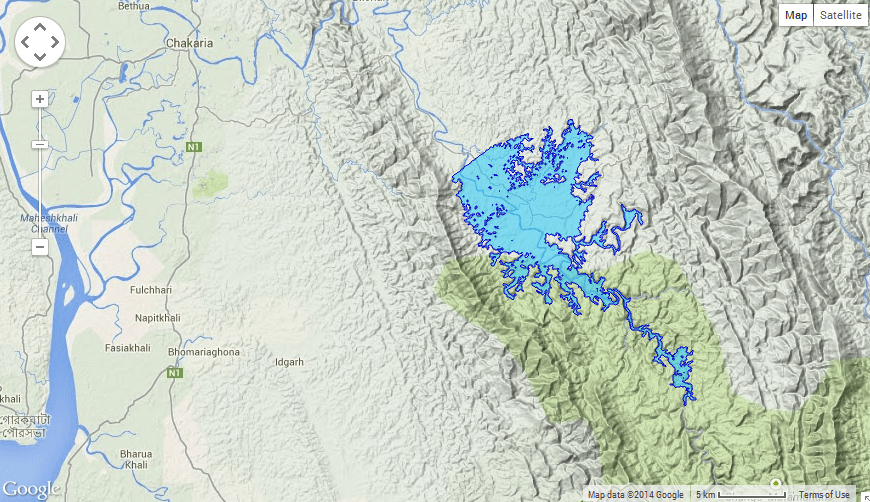
Exploring Hydropower Potential in Southeast Bangladesh
Streams Tech conducted a World Bank-financed hydropower feasibility study in Chattogram, assessing 19 sites along three rivers using hydrologic models and GIS analysis to evaluate generation potential and sustainability.